สีปกติ
 ขาวดำ
ขาวดำ ดำ-เหลือง
The Food and Drug Administration (Thai FDA), in collaboration with the Customs Department, is continuing to advance cooperation under the Memorandum of Understanding (MOU) through the organization of the second workshop training program entitled “Importers and Customs Brokers: Health Products.” The program is intended to strengthen the knowledge base and enhance the capabilities of importers and customs brokers by equipping them with accurate, comprehensive, and up-to-date understanding. It also aims to expedite cargo clearance procedures at Food and Drug checkpoints, an important mechanism for improving the efficiency of the country’s import-export system, while supporting the value of health product imports in 2025, amounting to THB 400 billion, and total exports of THB 543 billion.
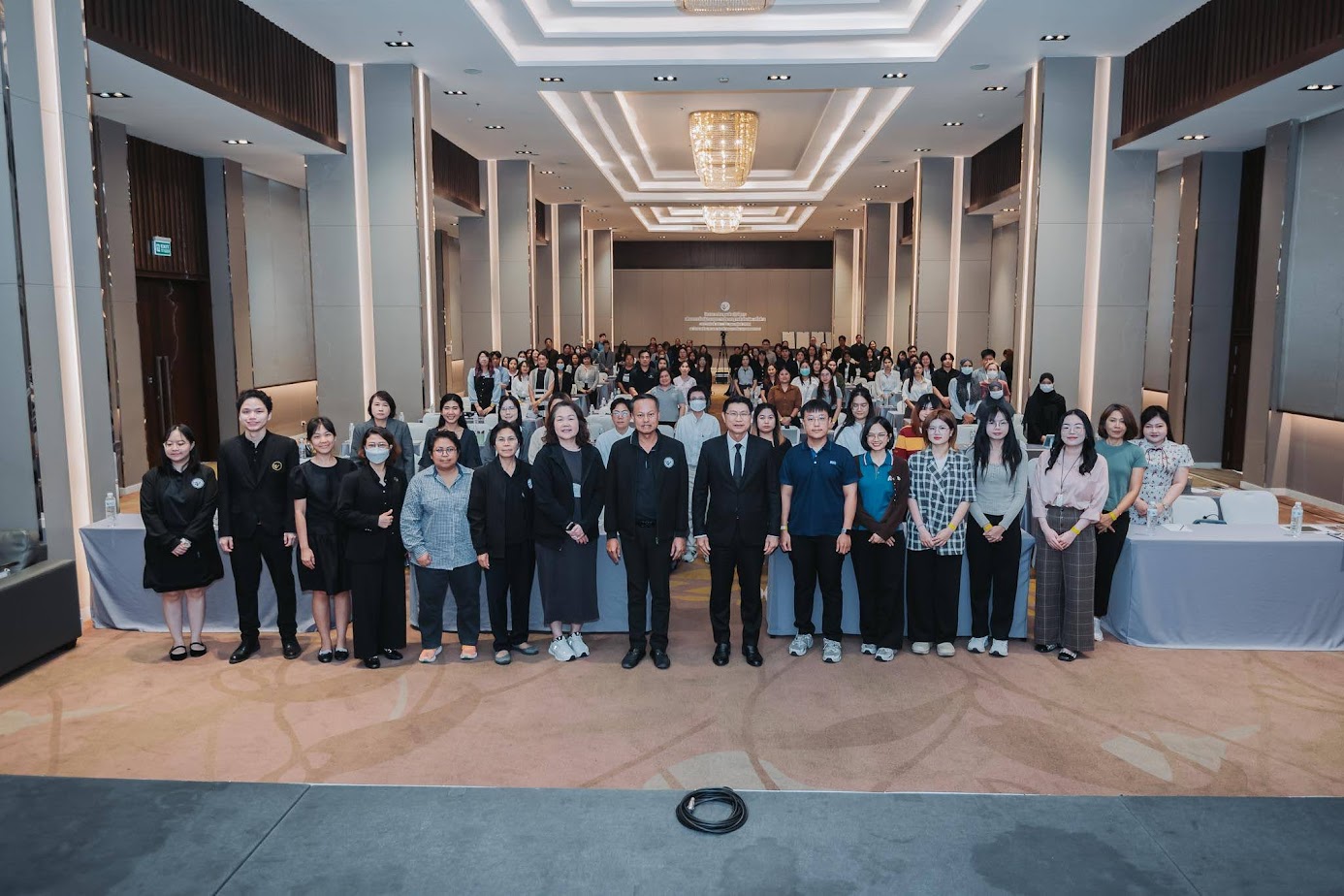
Mr. Lertchai Lertwut, Deputy Secretary-General of the Thai FDA, stated that the first training conducted under the cooperation between the Thai FDA and the Customs Department demonstrated that participants had significantly improved their understanding of the relevant regulations, requirements, and procedures for importing health products, resulting in more accurate and faster customs formalities. He further noted that the Thai FDA has therefore moved forward with the second training session to build on that knowledge, deepen practical understanding, and promote a harmonized standard of practice in the importation of health products. The training was held during 23–25 February 2026 at TK. Palace Hotel & Convention, Bangkok, with more than 160 participants in attendance. The training continued to focus on delivering knowledge on the latest laws and regulatory requirements related to the importation of health products, the proper conduct of customs procedures, key precautions in operational practice, as well as real case studies. These elements are intended to help reduce errors, minimize the risk of legal violations, and improve the efficiency of cargo clearance at Food and Drug checkpoints.
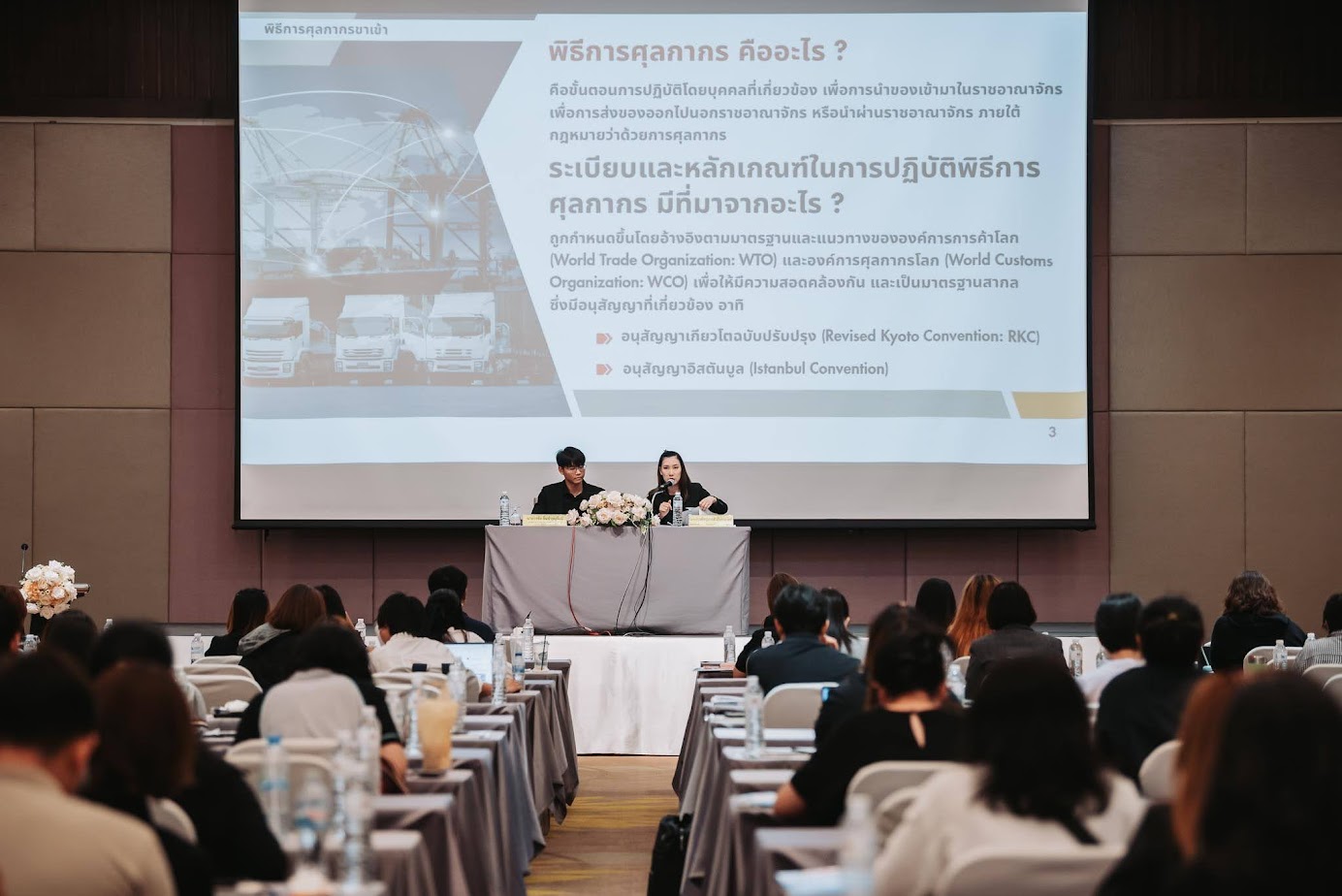
The Deputy Secretary-General added that the continuous organization of such training programs is an important part of strengthening the capability of business operators to import health products effectively, in line with the national goal of supporting import and export values, while also enhancing Thailand’s long-term economic competitiveness on the global stage.